
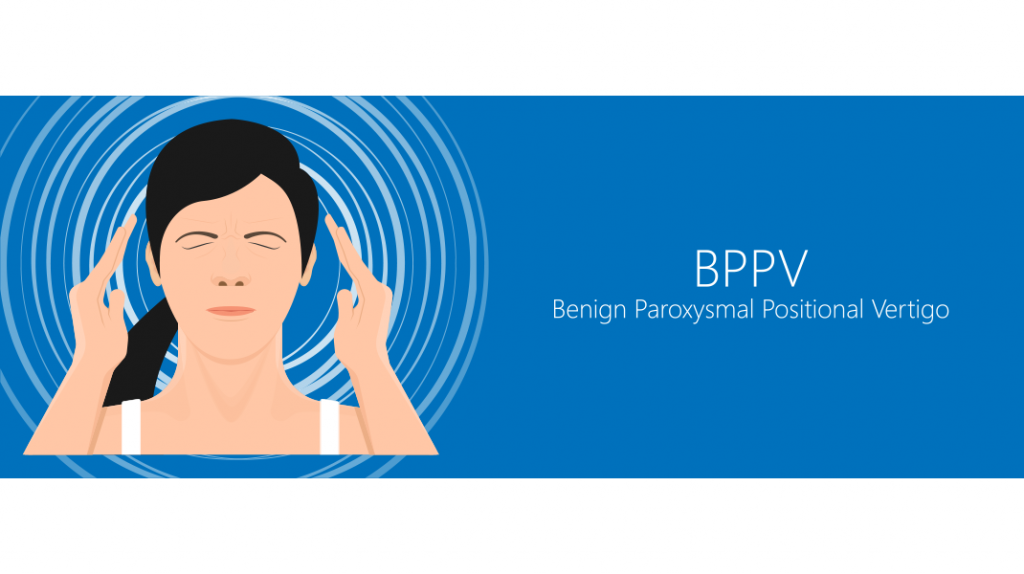
Dizziness, light-headedness, unsteadiness, or even a general “off balance” sensation can range from a minor nuisance to a debilitating handicap depending on the severity of involvement. It is one of the most common complaints heard in Doctors’ offices for patients over the age of 60.
What Causes Dizziness?
The cause of dizzy spells is most often dependent on a patient’s symptoms. Nearly 85% of dizziness, vertigo, and balance deficits is attributable to vestibular dysfunction.
What is the Vestibular Organ?
The vestibular organ is an apparatus approximately the size of your thumbnail located within each respective inner ear.
Small but mighty these apparatuses are responsible for the detection of head movements including speed, position, and direction. These amazing little organs are one of three components needed for proper balance and can have a staggering impact on stability when something goes wrong.
The vestibular apparatus is filled with a fluid called endolymph which is a vitamin D rich fluid under normal circumstances. Each vestibular apparatus has three semicircular canals which detect rotational acceleration or motion of the head via movement of this fluid pushing on a sensory organ which sends signals to the brain that the head is moving. Once head motion stops the sensory organ returns to its normal position. Each vestibular apparatus also has two sensory organs embedded with calcium carbonate crystals which use gravity on those crystals to detect linear and vertical acceleration such as sensing acceleration in your car or traveling up and down in an elevator. These 5 sensory organs together perceive head movement based on how fast and in which direction the fluid within the canal moves or how gravity is pushing on the crystals. They then send messages to the brain which assist with balance, orientation, and fall-prevention.
Occasionally, because of trauma, weakening of the vestibular nerve, a pH imbalance, or due to natural shedding, one or more of the crystals can become dislodged and float around in the semicircular canal. This wreaks havoc on our vestibular system causing the brain to perceive excess motion even after we have stopped moving as the crystals move the sensory organ after the fluid has stopped moving which causes excessive signals to the brain. In this case the brain interprets these signals as the sensation of vertigo.
Two Common Dysfunctions of the Vestibular System
Two of the most common vestibular system dysfunctions are Vestibular Hypofunction and Benign Paroxysmal Positional Vertigo or BPPV.
Vestibular Hypofunction
Vestibular hypofunction is a loss of signal from one or both of you vestibular organs and affects your balance. Signs you may have vestibular hypofunction include imbalance and falling, dizziness, and/or blurred vision.
Some causes of vestibular hypofunction include viral or bacterial infections, certain classes of antibiotics, chemotherapy, trauma such as concussions, natural aging, metabolic disorders like diabetes, and diseases such as menieres or an acoustic neuroma.
Benign Paroxysmal Positional Vertigo (BPPV)
Patients with BPPV almost always report experiencing “true vertigo” which is defined as the false sensation that the world is spinning around you. Many people compare it to stepping off a carousel where you’ve stopped moving but everything else is still going around.
BPPV is the number one cause of dizziness in patients over 60 years old and will statistically affect nearly 50% of individuals over the age of 70.
With such a high prevalence it is worth learning more about and what you can do to treat it.
Good News, Physical Therapy can Help
Physical therapists can typically are the gold standard to treat vestibular hypofunction and BPPV. Vestibular hypofunction over time with proper brain training through vestibular rehab therapy (VRT) can help you accomodate and restore your balance. BPPV can be corrected in as little as 1-2 visits using what is called a Canalith-Repositioning Maneuver (CRM) and > 80% of the time the Epley Maneuver is whats needed.
Vestibular Rehabilitation Therapy (VRT)
Vestibular Rehabilitation Therapy (VRT) is often prescribed to maximize therapy outcomes after a vestibular hypofunction event or diseases process. It may also be needed after a clinician has successfully cleared your BPPV as some people still have some symptoms of dizziness due to lack of brain accomodation. Most people see significant improvement of their symptoms and improvement within 4-8 weeks of VRT.
VRT is a specific type of physical therapy that focuses specifically on the inner ear using adaptation, habituation, and substitution exercises to build confidence, restore balance, and facilitate success with symptom management.
The Epley Maneuver
A recent study cites the Epley repositioning maneuver as up to 90% effective at either improving or resolving vertigo symptoms within one visit.
There is potential for residual dizziness following an episode of BPPV which can include sensations of unsteadiness, lightheadedness, disorientation, fogginess, or drowsiness though will be absent of true vertigo.
This can be caused by remaining debris in the canals or a lack of central adaptation meaning that the brain has not recalibrated “normal” yet following the repositioning maneuver. Residual dizziness occurs in anywhere from 30-60% of patients who have corrected BPPV, and reoccurrence of BPPV after an initial episode is possible.
Get Relief from Your Dizziness
Our physical therapists at Rising Tide Physical Therapy can help you get relief from your dizziness and reclaim your independence without medications or surgery. Find a location near you and schedule a balance assessment today.
GET RELIEF NOW